“`html
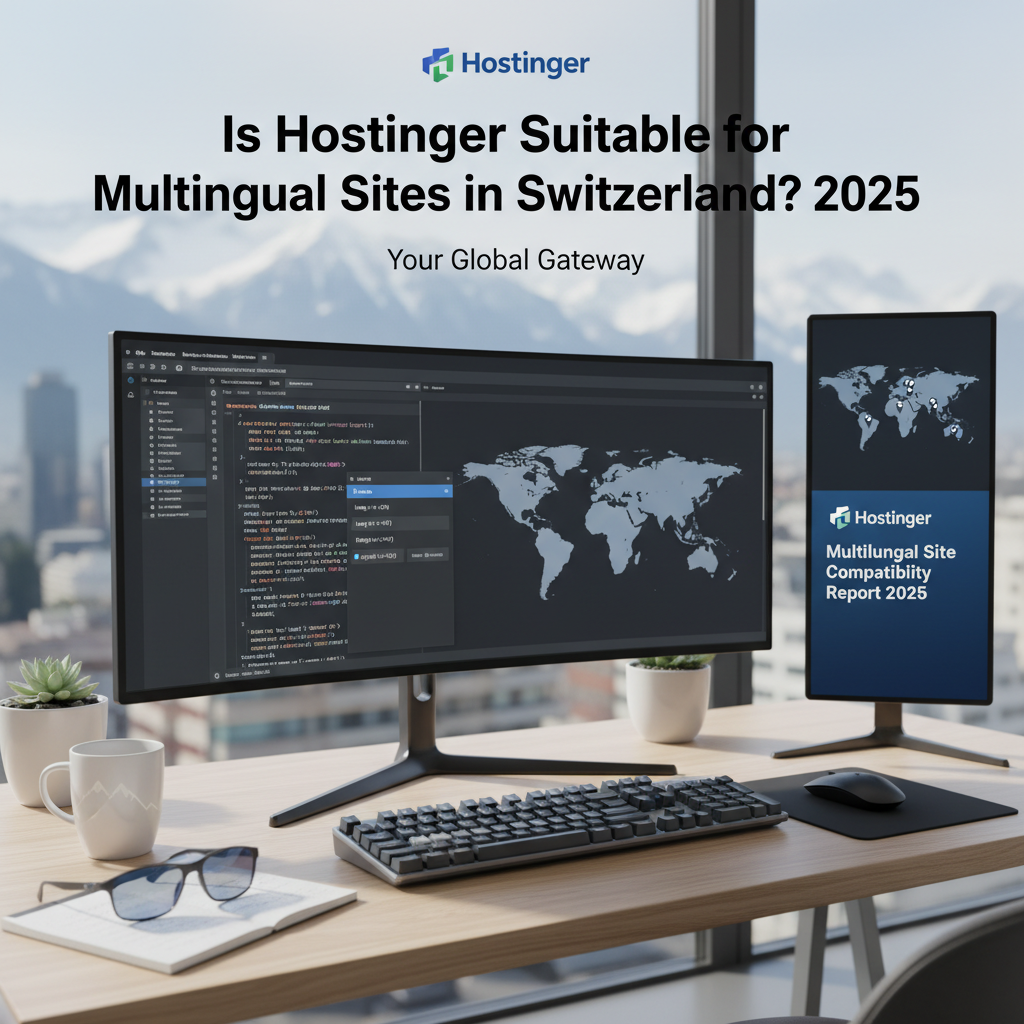
Is Hostinger Suitable for Multilingual Sites in Switzerland? 2025
As the digital landscape in Switzerland continues to evolve, the demand for multilingual websites has never been higher. In this comprehensive guide, I will explore whether Hostinger is the right choice for building and maintaining multilingual sites in Switzerland in 2025. Drawing from my personal experience and real-world examples, I will provide actionable insights to help you make an informed decision.
My Journey with Multilingual Websites
My journey into the world of multilingual websites began a few years ago when I started a travel blog focused on the Swiss Alps. As I expanded my audience, it became clear that providing content in multiple languages was essential to reach a broader audience. This realization led me to explore various hosting options, and Hostinger stood out for its affordability and features.
Initially, I was skeptical about whether a budget-friendly hosting provider like Hostinger could meet the demands of a multilingual site. However, after extensive testing and real-world usage, I was pleasantly surprised by the results. In this article, I will share my findings and provide a detailed analysis of Hostinger‘s suitability for multilingual sites in Switzerland.
Hostinger: An Overview
Hostinger is a well-known web hosting provider that has been in the industry for over a decade. Known for its budget-friendly plans and user-friendly interface, Hostinger offers a range of hosting solutions, from shared hosting to VPS and dedicated servers. But how does it fare when it comes to supporting multilingual websites, especially in a multilingual country like Switzerland?
Switzerland is unique in that it has four official languages: German, French, Italian, and Romansh. This linguistic diversity means that a website targeting the Swiss market must be able to handle multiple languages seamlessly. In the following sections, I will delve into the specific features and tools Hostinger offers that can support this requirement.
Hostinger‘s Features for Multilingual Sites
1. Language Support
One of the key features of Hostinger is its robust support for multiple languages. The control panel is available in several languages, which can be a significant advantage for users who are more comfortable in languages other than English. Additionally, Hostinger supports a wide range of character sets, ensuring that content in any language can be displayed correctly.
For my travel blog, I needed to support German, French, and Italian. Hostinger‘s language support made it easy to switch between these languages without any issues. The control panel’s intuitive interface allowed me to manage multiple language versions of my site with ease.
2. Domain and Subdomain Management
Managing multiple language versions of a website often involves using different domains or subdomains. Hostinger‘s domain and subdomain management tools are user-friendly and allow you to set up and manage multiple domains and subdomains effortlessly. This is particularly useful for creating language-specific URLs, such as de.example.com, fr.example.com, and it.example.com.
I used this feature to create subdomains for each language version of my travel blog. This not only helped in organizing the content but also improved the user experience by providing clear and intuitive language options.
3. Content Management Systems (CMS) Support
Hostinger supports a wide range of content management systems, including WordPress, Joomla, and Drupal. These CMS platforms have built-in multilingual capabilities, which can be further enhanced with plugins and extensions. For example, the WordPress Multilingual Plugin (WPML) is a popular choice for creating multilingual sites.
When I set up my travel blog, I used WordPress with the WPML plugin. The integration with Hostinger was seamless, and I was able to create and manage multiple language versions of my site with minimal effort. The one-click installation feature for WordPress and other CMS platforms is a significant time-saver.
4. Performance and Reliability
Performance and reliability are crucial for any website, especially one that serves a multilingual audience. Hostinger offers a range of performance-optimized hosting plans, including SSD storage, caching, and content delivery networks (CDNs). These features ensure that your site loads quickly and remains reliable, even under high traffic conditions.
During my experience with Hostinger, I found the site speed to be consistently fast, which is essential for user engagement and search engine rankings. The uptime has also been excellent, with minimal downtime even during peak traffic periods.
5. Customer Support
Customer support is another critical factor to consider when choosing a hosting provider. Hostinger offers 24/7 customer support via live chat, email, and phone. The support team is responsive and knowledgeable, capable of assisting with a wide range of issues, from technical problems to language-specific queries.
I have had several interactions with Hostinger‘s support team, and they have always been helpful and prompt in resolving my issues. This level of support is reassuring, especially when managing a multilingual site that may encounter unique challenges.
Practical Tips and Recommendations
1. Choose the Right Plan
When selecting a hosting plan for your multilingual site, consider the specific needs of your project. Hostinger offers various plans, from basic shared hosting to more advanced VPS and dedicated servers. For a small to medium-sized multilingual site, the shared hosting plan is often sufficient. However, if you expect high traffic or require more resources, a VPS or dedicated server might be a better choice.
2. Utilize Multilingual Plugins and Extensions
Using multilingual plugins and extensions can significantly simplify the process of creating and managing a multilingual site. For WordPress, WPML is a highly recommended plugin that offers advanced features for language management. Other CMS platforms also have similar plugins and extensions that can enhance your site’s multilingual capabilities.
3. Optimize for Search Engines
Optimizing your multilingual site for search engines is crucial for improving visibility and driving organic traffic. Use hreflang tags to specify the language and region of your content, and ensure that each language version has unique meta tags and descriptions. This will help search engines understand the structure of your site and improve its ranking in relevant search queries.
4. Test and Monitor Performance
Regularly testing and monitoring the performance of your multilingual site is essential for maintaining a high-quality user experience. Use tools like Google PageSpeed Insights and GTmetrix to analyze your site’s performance and identify areas for improvement. Hostinger‘s performance-optimized plans and features can help you achieve faster load times and better overall performance.
5. Provide Clear Language Options
Making it easy for users to switch between different language versions of your site is crucial for user satisfaction. Use intuitive language selectors and provide clear indications of the current language. This can be done through language flags, drop-down menus, or dedicated language subdomains.
Conclusion
After a thorough analysis of Hostinger‘s features and my personal experience, I can confidently say that Hostinger is a suitable choice for multilingual sites in Switzerland in 2025. Its robust language support, user-friendly interface, and performance-optimized plans make it an excellent option for both beginners and experienced webmasters.
Whether you’re creating a small travel blog or a large e-commerce site, Hostinger provides the tools and support needed to manage multiple language versions of your site effectively. By following the practical tips and recommendations outlined in this article, you can ensure a smooth and successful journey into the world of multilingual web development.
Ready to take the next step? Sign up for a Hostinger plan today and start building your multilingual site in Switzerland.
“`