“`html
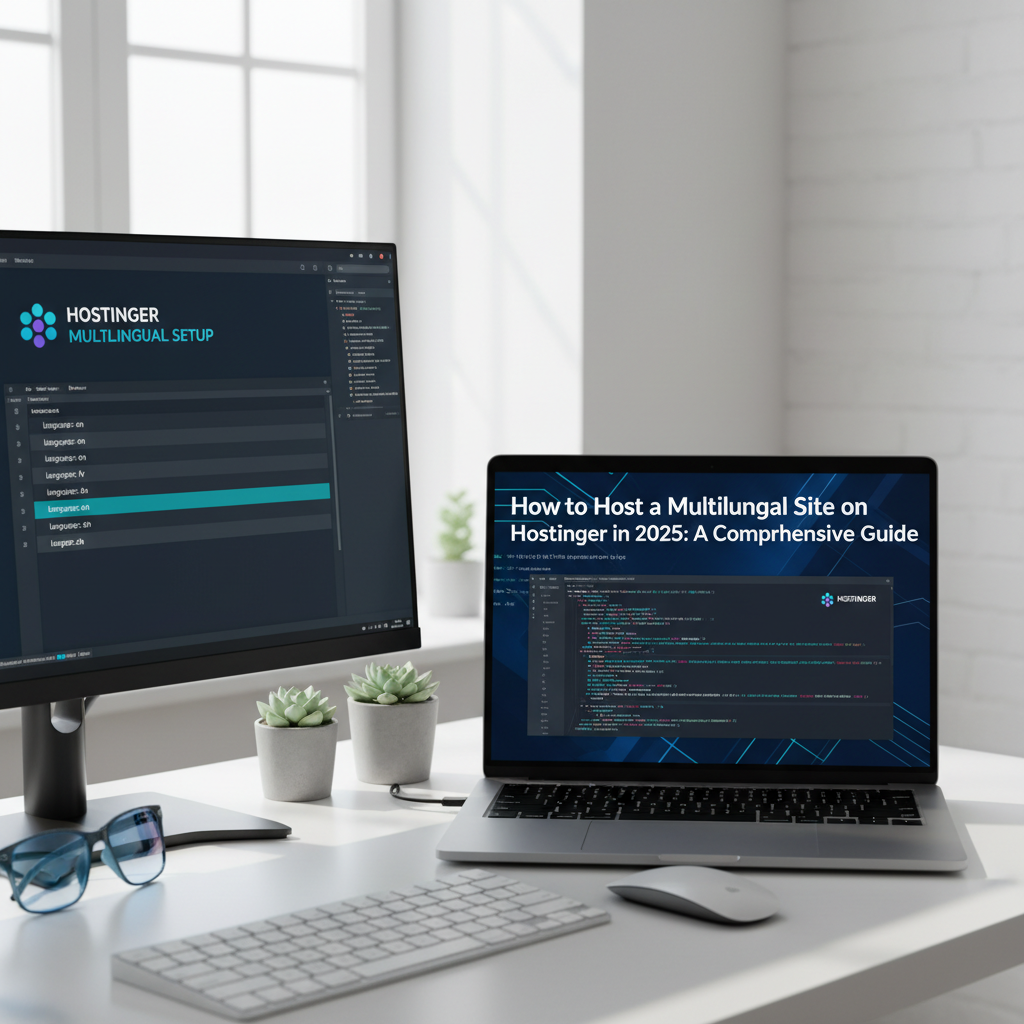
How to Host a Multilingual Site on Hostinger in 2025: A Comprehensive Guide
As the internet continues to expand its reach across the globe, the demand for multilingual websites has never been higher. Whether you’re a small business looking to tap into international markets or a blogger aiming to connect with a diverse audience, hosting a multilingual site is a crucial step. In this guide, I’ll walk you through the process of setting up a multilingual site on Hostinger, drawing from my personal experience and providing actionable tips to ensure your website is accessible to a global audience.
My Journey: From Monolingual to Multilingual
A few years ago, I ran a small e-commerce business selling handmade crafts. My website was in English, catering primarily to the local market. However, I noticed a growing number of international visitors on my site, which sparked my interest in expanding my business globally. The challenge was clear: I needed to make my site accessible to non-English speakers. This is when I decided to transform my monolingual website into a multilingual one using Hostinger.
Initially, the process seemed daunting. I had to learn about domain names, hosting services, and content management systems (CMS). But with persistence and the right tools, I successfully launched a multilingual site that not only attracted more visitors but also increased sales. In this guide, I’ll share my journey and the steps I took to achieve this transformation.
Choosing Hostinger for Your Multilingual Site
Hostinger is a popular web hosting provider known for its affordable plans and user-friendly interface. When I decided to go multilingual, I chose Hostinger for several reasons:
1. Affordable Pricing
Hostinger offers competitive pricing, making it an ideal choice for small businesses and individuals. Their plans start at just a few dollars per month, which is a significant advantage when you’re on a budget.
2. User-Friendly Interface
Hostinger‘s control panel is intuitive and easy to navigate, even for beginners. I found it straightforward to manage my domain, install applications, and configure settings without needing advanced technical knowledge.
3. Excellent Support
One of the most significant factors in my decision was Hostinger‘s customer support. They offer 24/7 live chat, a comprehensive knowledge base, and a community forum. Whenever I encountered issues, their support team was quick to respond and provide solutions.
4. Compatibility with Popular CMS
Hostinger supports a wide range of content management systems, including WordPress, which is perfect for creating multilingual websites. I chose WordPress because of its flexibility and the vast array of plugins and themes available.
Setting Up Your Multilingual Site on Hostinger
Now that you know why I chose Hostinger, let’s dive into the step-by-step process of setting up your multilingual site. Here’s how you can do it in 2025:
1. Sign Up for Hostinger
If you haven’t already, sign up for a Hostinger account. Choose a plan that suits your needs and budget. For a multilingual site, I recommend the Business or Enterprise plan, as they offer more resources and features.
2. Install WordPress
Once your account is set up, log in to the Hostinger control panel. Navigate to the App Store and install WordPress. Hostinger provides a one-click installation process, making it incredibly easy to get started.
3. Choose a Multilingual Plugin
WordPress offers several plugins to help you create a multilingual site. Some popular options include:
- WPML (WordPress Multilingual Plugin): WPML is a powerful and flexible plugin that supports multiple languages. It allows you to create and manage translations for your content, menus, and widgets.
- Polylang: Polylang is a lightweight and user-friendly plugin that is perfect for smaller sites. It provides a simple interface for adding and managing translations.
- TranslatePress: TranslatePress is another excellent option, especially for those who want a straightforward setup. It offers a visual translation editor, making it easy to translate your content without coding.
I chose WPML for my site because of its advanced features and robust support. However, the choice ultimately depends on your specific needs and the size of your website.
4. Configure the Plugin
After installing your chosen plugin, you’ll need to configure it. Here’s a general guide for configuring WPML:
- Activate the Plugin: Go to the WordPress dashboard, navigate to Plugins, and activate WPML.
- Set Up Languages: Go to WPML > Languages and select the languages you want to support. You can choose from over 40 languages.
- Translate Your Content: Use the WPML interface to translate your pages, posts, and categories. You can also set up automatic translation for new content.
- Configure URLs: Choose how you want to structure your URLs for different languages. You can use subdomains (e.g., fr.example.com) or subdirectories (e.g., example.com/fr).
For Polylang and TranslatePress, the setup process is similar but simpler. Refer to their documentation for detailed instructions.
5. Optimize Your Site for SEO
SEO is crucial for a multilingual site. Use the following tips to optimize your site for search engines:
- Use Hreflang Tags: Hreflang tags help search engines understand the relationships between different language versions of your pages. WPML and Polylang automatically add these tags, but you can also add them manually.
- Optimize Meta Tags: Ensure that each language version of your site has unique meta titles and descriptions. This helps improve click-through rates and reduces bounce rates.
- Use Localized Keywords: Research and use keywords specific to each language. This helps improve your site’s visibility in search results for different regions.
- Localize Content: Tailor your content to the cultural and linguistic preferences of your target audience. This can include using local idioms, references, and examples.
6. Test and Launch
Before launching your multilingual site, thoroughly test it to ensure everything works as expected. Check the following:
- Language Switcher: Make sure the language switcher is working correctly and that users can easily switch between languages.
- Content Translation: Verify that all content has been translated accurately and that there are no missing translations.
- URL Structure: Confirm that the URL structure is consistent and that all language versions are accessible.
- SEO Settings: Double-check that all SEO settings, including hreflang tags and meta tags, are correctly configured.
Practical Tips and Recommendations
To ensure your multilingual site is successful, consider the following tips:
1. Use Professional Translation Services
While automated translation tools can be useful, they often miss the nuances of language and culture. For critical content, such as product descriptions and marketing materials, consider hiring professional translators. This ensures that your content is accurate and resonates with your target audience.
2. Localize Your Design
Design elements can also impact the user experience. For example, colors, images, and layouts that are appealing in one culture may not be in another. Customize your design to align with the preferences of your target audience in each language.
3. Monitor User Feedback
Once your site is live, monitor user feedback to identify areas for improvement. Use tools like Google Analytics to track user behavior and gather insights. You can also set up a feedback form to allow users to report issues or suggest improvements.
4. Stay Updated with SEO Trends
SEO is an ever-evolving field. Stay informed about the latest trends and best practices in multilingual SEO. Follow industry blogs, attend webinars, and participate in online forums to stay ahead of the curve.
Conclusion: Take the Leap and Go Multilingual
Creating a multilingual site on Hostinger is a powerful way to expand your online presence and reach a global audience. By following the steps outlined in this guide and implementing the practical tips, you can successfully launch a multilingual site that engages and converts visitors from around the world.
If you’re ready to take your website to the next level, sign up for Hostinger today and start your journey to a multilingual site. Don’t hesitate to reach out if you have any questions or need further assistance. Happy hosting!
Feel free to share your experiences and insights in the comments below. I’d love to hear about your journey and how you’ve overcome challenges in creating a multilingual site.
“`