“`html
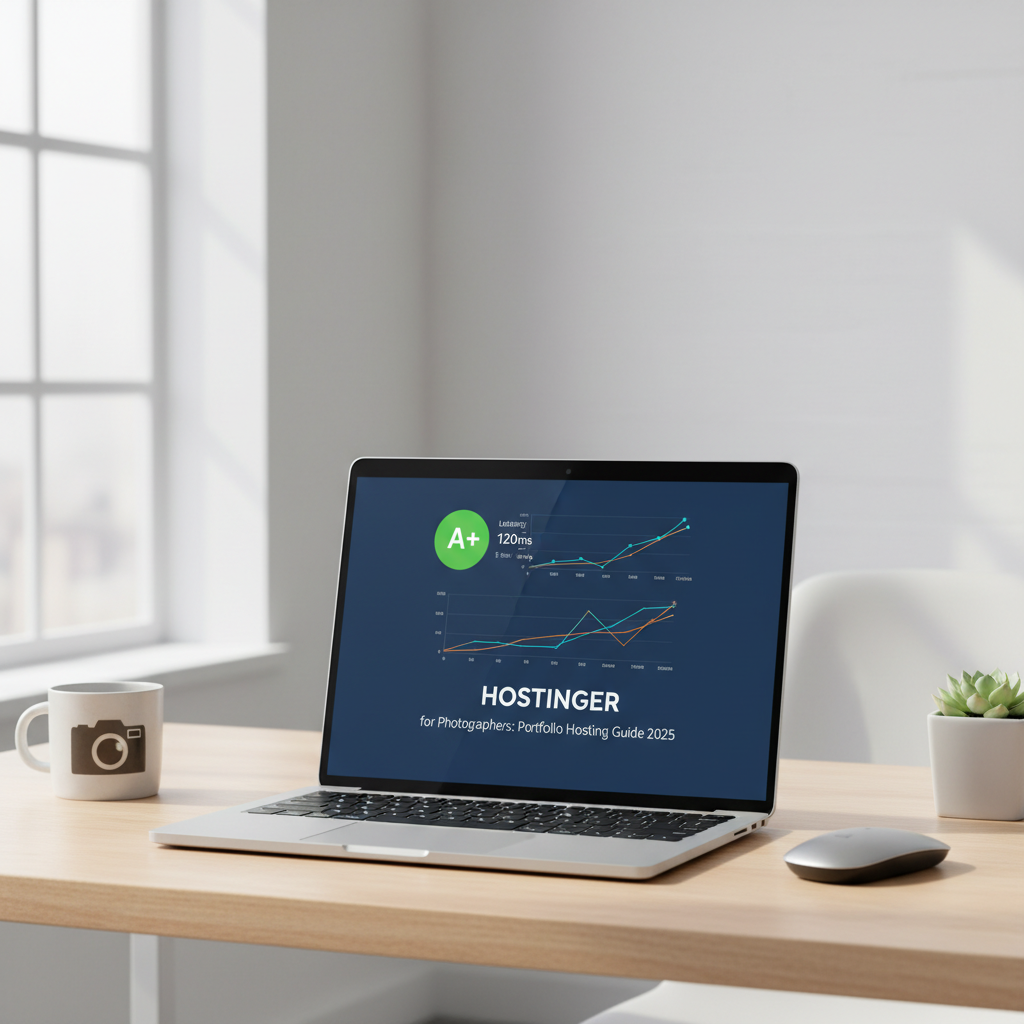
Hostinger for Photographers: Portfolio Hosting Guide 2025
As a photographer, your portfolio is the gateway to your work and your reputation. It’s where potential clients and art enthusiasts come to see the essence of your craft. In 2025, choosing the right hosting service for your photography portfolio is more crucial than ever. In this guide, I’ll share my journey and insights on why Hostinger stands out as a top choice for photographers. Whether you’re a seasoned professional or just starting out, this guide will provide you with the knowledge and tools to create a stunning online portfolio that showcases your best work.
My Journey in Photography
I’ve been a photographer for over a decade, and during that time, I’ve seen the industry evolve dramatically. From film to digital, and now to the digital web presence, the way we share our work has changed. When I first started, I used a simple blog to showcase my photos. As my portfolio grew, I realized the need for a more professional and customizable platform. This led me to explore various hosting options, and after much research and trial, I found Hostinger.
The Importance of a Professional Portfolio
Your portfolio is not just a collection of photos; it’s a representation of your brand. A well-designed and well-hosted portfolio can make all the difference in attracting clients and standing out in a competitive market. It should load quickly, be easy to navigate, and, most importantly, display your images in the best possible quality. Hostinger has helped me achieve all of these goals, and I’m excited to share how it can do the same for you.
Why Choose Hostinger for Your Photography Portfolio?
Hostinger is a leading web hosting provider known for its reliability, speed, and user-friendly interface. Here are some key reasons why it’s an excellent choice for photographers:
1. Speed and Performance
One of the most critical aspects of a photography portfolio is speed. High-resolution images can slow down your site, but Hostinger’s advanced server technology and global CDN (Content Delivery Network) ensure that your site loads quickly, even with large image files. This is crucial for providing a seamless user experience and keeping visitors on your site longer.
2. Security and Reliability
Security is paramount when it comes to hosting your portfolio. Hostinger offers robust security features, including free SSL certificates, daily backups, and 24/7 monitoring. This means you can focus on your photography, knowing that your website is protected from potential threats.
3. Customization and Flexibility
Hostinger supports a wide range of website builders and content management systems (CMS), including WordPress, Joomla, and Drupal. This flexibility allows you to choose the platform that best suits your needs. Whether you prefer a drag-and-drop builder or a more technical approach, Hostinger has you covered.
4. User-Friendly Interface
One of the standout features of Hostinger is its user-friendly interface. The control panel is intuitive and easy to navigate, making it simple to manage your website, even if you’re not a tech expert. This is particularly beneficial for photographers who want to focus on their craft rather than the technical aspects of web hosting.
5. Customer Support
Hostinger’s customer support is top-notch. They offer 24/7 live chat, email support, and an extensive knowledge base. Whenever I’ve had questions or issues, the support team has been responsive and helpful. This level of support is invaluable, especially when you’re working on tight deadlines or need immediate assistance.
Setting Up Your Photography Portfolio on Hostinger
Now that you understand why Hostinger is a great choice for photographers, let’s dive into how to set up your portfolio. Here’s a step-by-step guide to get you started:
1. Choose the Right Plan
Hostinger offers several hosting plans, each tailored to different needs. For a photography portfolio, I recommend starting with the Business Plan. It provides ample storage, bandwidth, and the ability to host multiple websites if needed. You can always upgrade later if your needs grow.
2. Install a Website Builder or CMS
Once you’ve signed up, log into your Hostinger control panel and install a website builder or CMS. WordPress is a popular choice for photographers due to its flexibility and extensive plugin ecosystem. You can install WordPress with just a few clicks using the one-click installer in the control panel.
3. Choose a Theme
After installing WordPress, select a theme that complements your photography style. Hostinger’s App Store offers a variety of free and premium themes specifically designed for photographers. Look for themes that feature large, high-quality image displays and are responsive on all devices.
4. Customize Your Theme
Once you’ve chosen a theme, customize it to reflect your brand. Add your logo, choose a color scheme, and upload your portfolio images. Make sure your site is easy to navigate and includes essential pages such as an About page, Contact page, and a Blog (if you plan to write about your work or photography tips).
5. Optimize Your Images
High-resolution images are essential for showcasing your work, but they can also slow down your site. Use image optimization plugins like Smush or ShortPixel to reduce file sizes without compromising quality. This will ensure your site loads quickly and provides a smooth user experience.
6. Implement SEO Best Practices
SEO (Search Engine Optimization) is crucial for increasing your online visibility. Use plugins like Yoast SEO to optimize your site for search engines. Include relevant keywords, meta descriptions, and alt tags for your images. This will help potential clients find your portfolio when they search for photography services.
7. Promote Your Portfolio
Once your portfolio is live, it’s time to promote it. Share your work on social media, join photography communities, and network with other professionals. Consider running targeted ads on platforms like Instagram and Google to reach a wider audience.
Real-World Examples and Case Studies
Let’s look at a few real-world examples of photographers who have successfully used Hostinger to host their portfolios:
Case Study 1: Sarah Thompson
Sarah Thompson is a landscape photographer who recently switched to Hostinger. She was using a free hosting service before, but it was slow and unreliable. After switching to Hostinger, she noticed a significant improvement in site speed and reliability. Her portfolio now loads quickly, and she’s received more inquiries from potential clients.
Case Study 2: Mark Johnson
Mark Johnson is a portrait photographer who needed a more advanced hosting solution for his growing portfolio. He chose Hostinger’s Business Plan and installed WordPress with a custom theme. Mark customized his site to include a blog where he shares photography tips and behind-the-scenes content. This has helped him build a loyal following and attract more clients.
Practical Tips and Recommendations
Here are some additional tips to help you make the most of your Hostinger hosting experience:
1. Regularly Update Your Content
Keep your portfolio fresh by regularly adding new photos and updating your content. This will keep visitors coming back and help you stay relevant in the photography community.
2. Use High-Quality Images
Invest in a good camera and editing software to ensure your images are of the highest quality. High-resolution images will make a significant difference in how your work is perceived.
3. Optimize for Mobile
More and more people are browsing the web on mobile devices. Make sure your portfolio is fully responsive and looks great on all screen sizes. Test your site on different devices to ensure a consistent user experience.
4. Engage with Your Audience
Encourage visitors to leave comments and feedback on your portfolio. Engaging with your audience can help build a community around your work and provide valuable insights into what your potential clients are looking for.
5. Stay Informed About Industry Trends
The photography industry is constantly evolving. Stay informed about the latest trends and techniques by following photography blogs, attending workshops, and networking with other professionals. This will help you stay ahead of the curve and keep your portfolio relevant.
Conclusion
Choosing the right hosting service for your photography portfolio is a crucial step in building your online presence. Hostinger offers a combination of speed, security, and user-friendly features that make it an excellent choice for photographers. By following the steps and tips outlined in this guide, you can create a stunning portfolio that showcases your best work and attracts more clients.
Ready to take your photography portfolio to the next level? Sign up for Hostinger today and start building the portfolio of your dreams.
Call to Action: Don’t wait—start your journey with Hostinger now and see the difference it can make for your photography career. Click the link below to get started:
Hostinger.com” target=”_blank”>Sign Up for Hostinger
“`