“`html
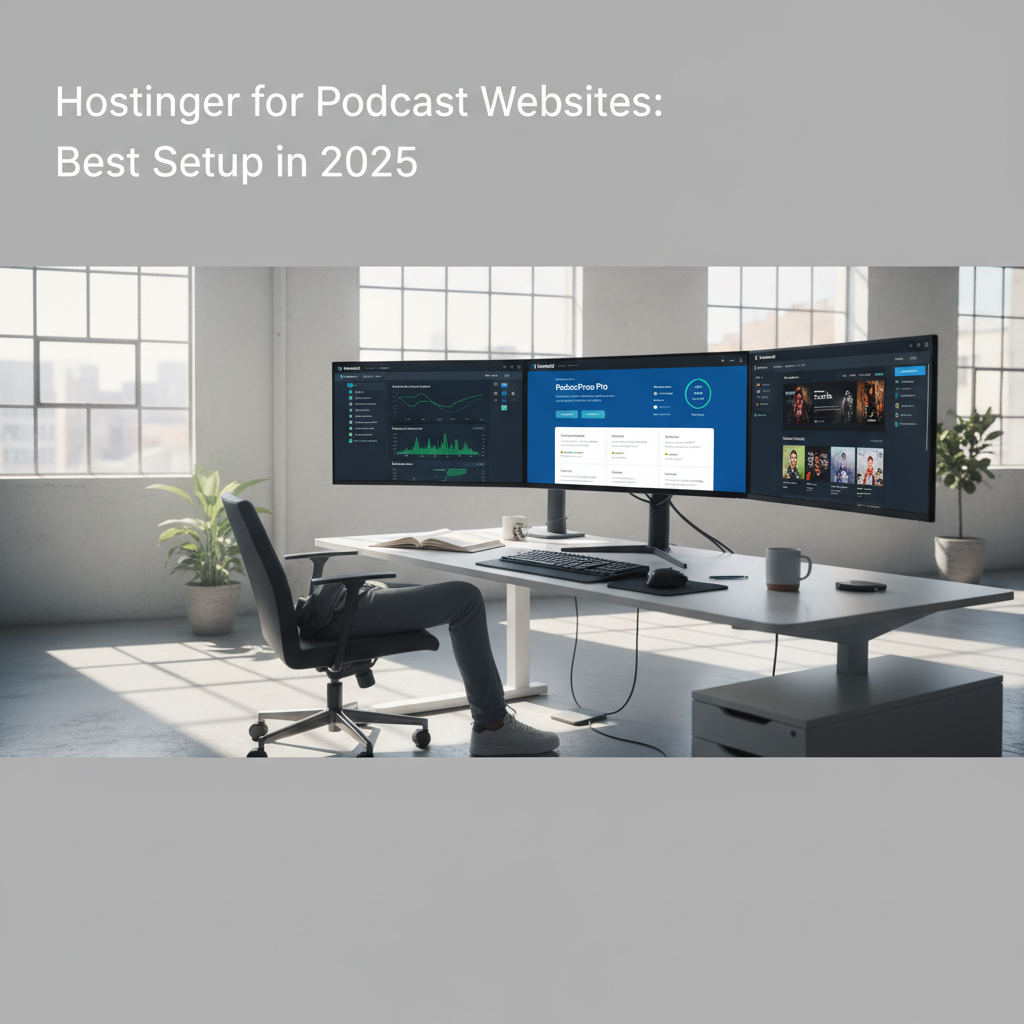
Hostinger for Podcast Websites: Best Setup in 2025
Are you ready to take your podcast to the next level? In 2025, having a robust and engaging website is more crucial than ever. This guide will walk you through the best setup for your podcast website using Hostinger, one of the most reliable and user-friendly web hosting services available. Whether you’re a seasoned podcaster or just starting out, this article is packed with actionable tips and real-world examples to help you succeed.
My Journey with Podcasting and Hostinger
My journey into podcasting began about five years ago when I decided to share my passion for tech with the world. Like many new podcasters, I started with a basic website hosted on a free platform. While it was a good start, I quickly realized that my website needed to be more professional and reliable to attract and retain listeners. That’s when I discovered Hostinger.
Hostinger has been a game-changer for my podcast, “Tech Talk.” The platform’s ease of use, affordability, and robust features have allowed me to build a website that not only looks great but also functions smoothly. In this article, I’ll share my experience and provide a step-by-step guide to setting up your podcast website on Hostinger.
Detailed Analysis of Hostinger for Podcast Websites
Why Choose Hostinger?
When it comes to hosting your podcast website, there are several factors to consider, including reliability, performance, and cost. Here are some key reasons why Hostinger stands out:
- Reliability: Hostinger offers a 99.9% uptime guarantee, ensuring that your website is always accessible to your audience.
- Performance: With advanced server technology and global data centers, Hostinger ensures fast loading times, which is crucial for keeping listeners engaged.
- Cost-Effective: Hostinger offers affordable plans that won’t break the bank, making it an excellent choice for both new and established podcasters.
- User-Friendly: The intuitive control panel and one-click installation options make it easy to set up and manage your website, even if you have no technical experience.
- Security: Hostinger provides robust security features, including free SSL certificates, to protect your website and your listeners’ data.
Setting Up Your Podcast Website on Hostinger
Setting up your podcast website on Hostinger is a straightforward process. Here’s a step-by-step guide to get you started:
- Choose a Plan: Visit the Hostinger website and select a hosting plan that suits your needs. For most podcasters, the Shared Hosting plan is a great starting point.
- Register Your Domain: If you don’t already have a domain, you can register one through Hostinger. Choose a domain name that reflects your podcast’s brand and is easy to remember.
- Install WordPress: Hostinger offers a one-click WordPress installation, which is ideal for building a podcast website. WordPress is highly customizable and has a vast array of plugins and themes to enhance your site.
- Choose a Theme: Select a WordPress theme that is visually appealing and optimized for podcasts. Some popular themes for podcasting include Podcast Pro and Radio Station.
- Install Essential Plugins: Install plugins to enhance your site’s functionality. Some essential plugins for podcasters include:
- Podlove Publisher: A powerful podcast management plugin that helps you manage and distribute your episodes.
- Yoast SEO: Optimize your website for search engines to increase visibility and attract more listeners.
- Wordfence Security: Protect your website from threats and ensure it remains secure.
- Customize Your Site: Customize your theme and plugins to match your brand and provide a seamless user experience. Add your podcast logo, bio, and episode archives to your site.
- Optimize for Speed: Use tools like GTmetrix or Google PageSpeed Insights to check your website’s loading speed. Optimize images, enable caching, and use a content delivery network (CDN) to improve performance.
Real-World Example: “Tech Talk” Podcast
For a real-world example, let’s take a look at my podcast, “Tech Talk.” I started with a basic WordPress site hosted on Hostinger and gradually added features to enhance the user experience. Here are some of the key elements that have contributed to the success of my website:
- Podcast Episodes Archive: I created a dedicated page for my podcast episodes, complete with show notes, episode transcripts, and links to download or stream each episode.
- Interactive Elements: I added a comments section and a contact form to encourage listener engagement and feedback.
- SEO Optimization: Using Yoast SEO, I optimized each page and post for relevant keywords to improve my site’s search engine ranking.
- Security Measures: I installed Wordfence Security to protect my site from potential threats and ensure the safety of my listeners’ data.
These elements have not only improved the overall user experience but also helped me grow my listener base and build a loyal community.
Practical Tips and Recommendations
1. Optimize Your Content for SEO
Search engine optimization (SEO) is crucial for increasing the visibility of your podcast website. Here are some tips to optimize your content for SEO:
- Use Relevant Keywords: Identify keywords related to your podcast’s niche and include them in your content, meta descriptions, and URLs.
- Write High-Quality Content: Create valuable and engaging content that provides real value to your audience. This will keep visitors on your site longer and encourage them to explore more.
- Include Multimedia Elements: Use images, videos, and infographics to make your content more engaging and shareable.
2. Engage Your Audience
Building a community around your podcast is essential for long-term success. Here are some ways to engage your audience:
- Encourage Comments and Feedback: Add a comments section to your podcast episodes and encourage listeners to share their thoughts and feedback.
- Use Social Media: Promote your podcast on social media platforms like Twitter, Facebook, and Instagram. Share episode highlights, behind-the-scenes content, and engage with your followers.
- Host Live Q&A Sessions: Consider hosting live Q&A sessions or webinars to interact with your audience in real-time and build a stronger connection.
3. Monitor and Improve Performance
Regularly monitoring your website’s performance is essential for maintaining a high-quality user experience. Here are some tools and practices to help you monitor and improve performance:
- Use Analytics Tools: Install Google Analytics to track visitor behavior, page views, and other important metrics. Use this data to identify areas for improvement.
- Optimize Loading Speed: Use tools like GTmetrix or Google PageSpeed Insights to check your website’s loading speed. Optimize images, enable caching, and use a content delivery network (CDN) to improve performance.
- Regularly Update Your Site: Keep your website’s software and plugins up to date to ensure optimal performance and security.
Conclusion
Setting up a professional and engaging podcast website is a crucial step in building a successful podcast. Hostinger offers a reliable, cost-effective, and user-friendly platform that makes it easy to create and manage your website. By following the steps and tips outlined in this guide, you can create a website that not only looks great but also functions smoothly and attracts more listeners.
Ready to take your podcast to the next level? Sign up for a Hostinger account today and start building your podcast website. Don’t forget to share your experience and any questions you have in the comments below. Happy podcasting!
“`